


Five Things I Wish Someone Had Told Me About Running an EMDR-Informed Group Practice
I started Whole Mentality as a solo practice. EMDR was central to my clinical work from early on. I was an EMDRIA Approved Consultant, I was seeing clients, I was starting to understand how much I didn't know yet.
What I didn't have was much guidance on what it looks like to build EMDR into a group practice, how to hire for it, how to support it, how to make it something the practice does well rather than something individual clinicians happen to do.
Here are five things I've learned, mostly the hard way.
1. EMDR training is a starting point, not a credential

EMDR and Chronic Illness: What Changes When Your Client's Body Is Already in a Fight
I live with lupus. I have for most of my adult life. I also work with clients who live with chronic and invisible illness — and I've been doing this long enough to notice how different EMDR looks with this population compared to what's typically taught in basic training.
I want to talk about some of those differences.
The window of tolerance is already working harder

What EMDR Consultation Actually Is (And Who It's For)
If you've completed EMDR Basic Training, you've probably heard that you need consultation hours before you can apply for EMDRIA certification. You may have a vague sense of what that means. You may also have some confusion about what it actually involves — and who you need to get it from.
Let's clear that up.
What EMDR consultation is
Prepared vs. Ready: How I Think About EMDR Readiness
"Is my client ready?"
It's the question EMDR clinicians ask most during consultation.
Ready implies a threshold. A line. A moment where the client crosses from not-ready to ready, like flipping a switch. It implies there's a correct answer that exists independently of the clinician's judgment — that if you run the right checklist, you'll know.
Clinical reality doesn't work that way.

Window of Tolerance in EMDR Practice: Beyond the Diagram
Most EMDR clinicians know the Window of Tolerance diagram. Three zones — hyperarousal, the window, hypoarousal — drawn on a whiteboard or pulled up on a tablet during Phase 2. We explain fight or flight. We explain freeze. We explain that the window is where we're trying to work.
And then we move on.
What I want to talk about is what happens after the diagram.
What Is the Natural Preparation Framework? A Clinician's Guide to EMDR Phase 2
Here's the thing about EMDR's Phase 3 Assessment questions….
And then we get into clinical practice and realize: the first time a client hears "what words go best with that image that express your negative belief about yourself?

Why We Don't Just Start: EMDR Preparation and the Heart Surgery Analogy
"I just want to work on the trauma. Why do we have to do all this first?"
It's one of the most common questions in EMDR

Why Whole Mentality Meets You at the Intersections
…I need you to hear this clearly - mental health is shaped by those same policies. This is why Whole Mentality’s core message moving forward is
Mental Health is political, so our therapy meets you at the intersections….
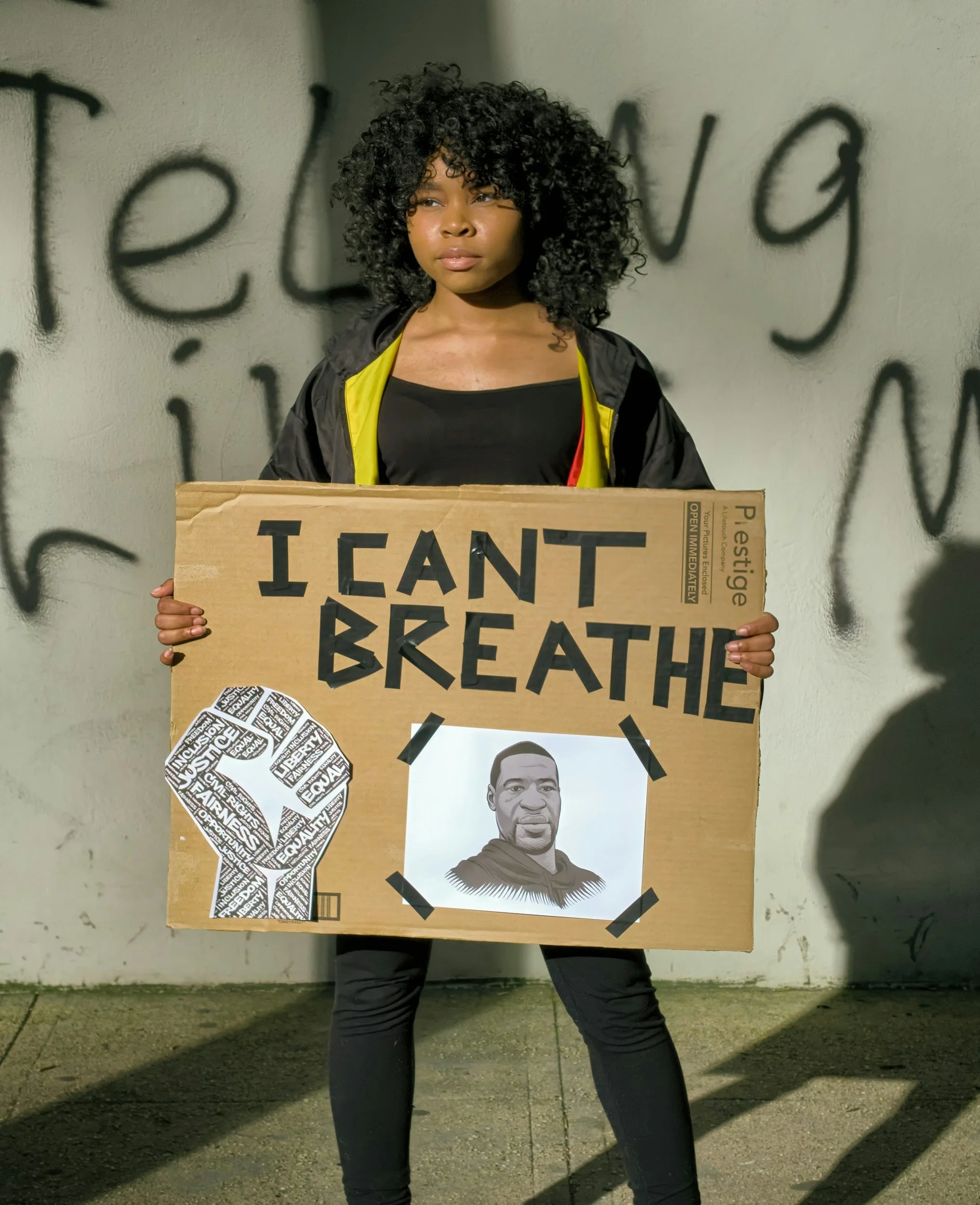
If You Want Black Joy, You Have to Acknowledge Black Grief
Black history is also an open casket
Black history is beautiful.
It is brilliant.
It is creative, resilient, joyful, innovative, sacred.
And it is also an open casket.

You Have a Right to Ask
A common question I get is how do I find a Brown/Queer/Affirming/Female medical provider. My usual answer is - ask. When you call the doctor’s office - ask. If you have friends with doctors - ask. If you have health insurance - ask.

When I say “Equity” You Think…?
Accessibility and equity are intrinsically connected. …The fact of the matter is, without access there is no equity. Without equity, we will never be truly accessible. Yet we continue to isolate these conversations.

Let’s rethink accessibility
What’s your immediate definition when you hear the word “accessibility”?...What if we recognized that living with a disability, illness, invisible illness, or however you may categorize it - has a culture of it’s own. There are norms and qualities that only people within the community may experience. There are also ways we as a society can practice cultural humility around these lived experiences.

Gratitude Practice
Minimizing and invalidating our natural responses to trauma and injustice - only does us further harm. In reality, gratitude is not about being “positive” all the time. It’s about practicing gratitude. It does not eliminate the harsh realities of today, it only supports us in noticing the “ands”. It provides a way to cope with the heaviest parts of the "ands".

You Preach what you Practice
…Though evidence would most often support that your behavior is a reflection of your practices. What does this mean? It means we can be incredibly intentional about what behaviors we prioritize and our behavior and outcomes will reflect that. OR we can continue to practice behaviors that keep us in exactly the same place…